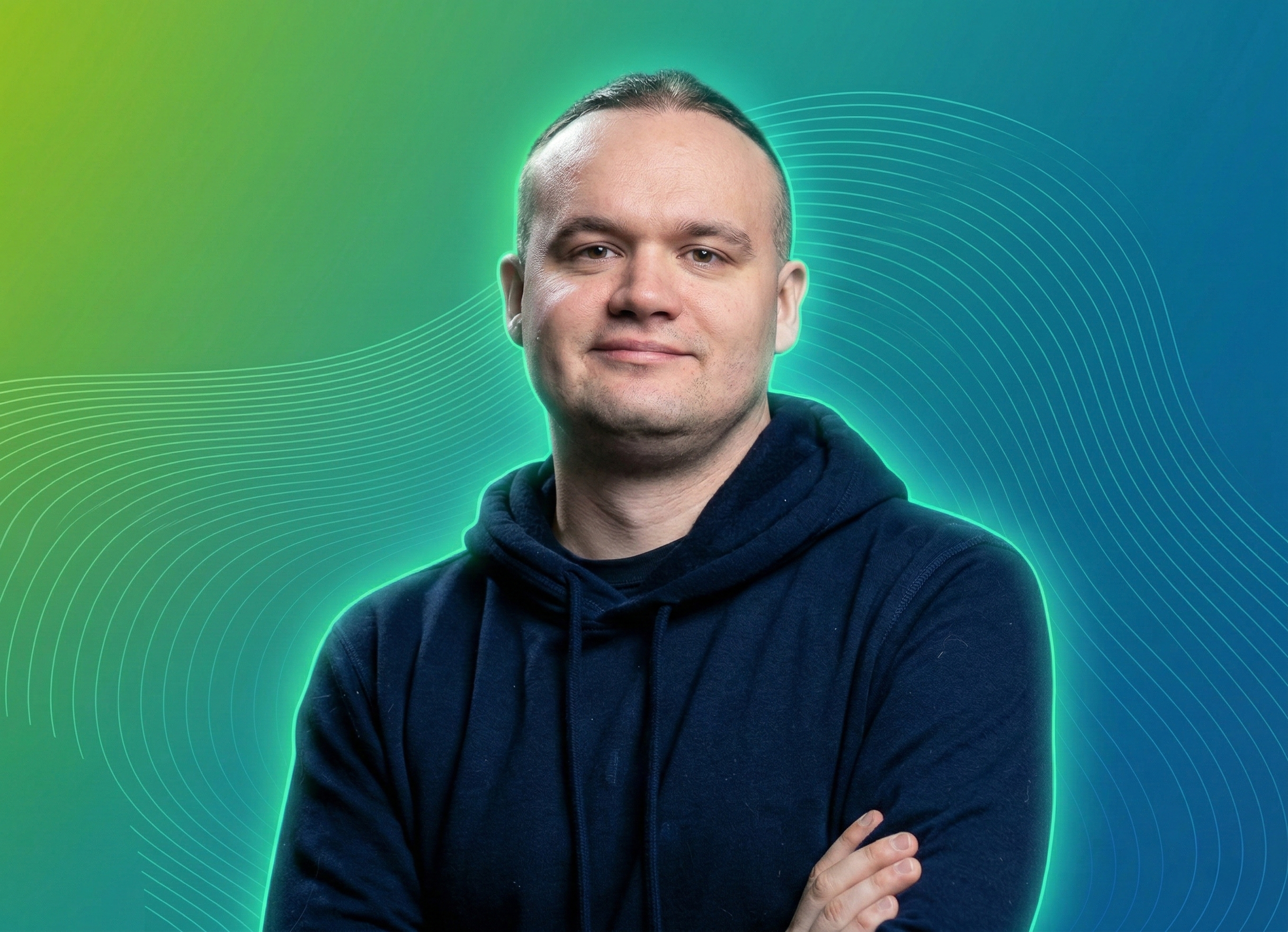
Introducing Ģirts Ķesteris – XR Specialist and Technical Director
Introducing Ģirts Ķesteris, a long-time game developer and XR specialist whose professional focus lies in practical creation and real-world product development. With over a decade of experience in game development and the past eight years dedicated specifically to XR technologies, Ģirts brings an industry-driven and hands-on perspective to interactive 3D development.
Ģirts has been developing games since 2010, when he decided to connect his professional life with 3D technologies. In recent years, his work has centred on extended reality, including both augmented and virtual reality. For the past five years, he has been actively working in VR game development.
He is the Technical Director and one of the founders of HyperVR Games SIA Hyper Reality, a studio focused on VR games. Among their titles is Shave & Stuff, which at one point reached the top position in the global VR market and remains among the top 50 VR games worldwide. According to Ģirts, a key factor behind the game’s success was a design approach focused on accessibility, creating an experience that works as a first VR encounter, even for users who may experience motion sickness, without the need for extensive instructions.
Beyond developing games, the studio also supports publishing and helps other developers bring their games to market. In his own words, he does whatever is necessary to ensure that a game becomes a cohesive product ready for users. For him, quality is not defined by the number of features, but by whether those features are understandable and genuinely used by players.
From industry practice to teaching
Alongside his professional work, Ģirts is also active in academia, teaching Unity and interactive 3D development. However, he describes the academic side of his work as secondary to his professional practice. His teaching approach is strongly practical. Rather than focusing on strict technical details from the outset, he emphasises helping students create tangible results. According to Ģirts, what matters most is that students build something, understand what they have built, and develop higher-level thinking about how different components come together.
“The end user does not care what happens in the backend or frontend. What matters is the final result,” he explains. Only after students achieve a working outcome does he guide them into deeper technical optimisation and refinement.
He strongly believes in making 3D development more accessible. When he began his own journey, much of the process felt complex and difficult to approach. One of his motivations for teaching was to show students that creating interactive 3D experiences is possible and achievable, especially when someone provides direction.
Open communication and learning through doing
Ģirts values open and immediate communication with students. Instead of relying solely on email, he maintains active communication channels such as Discord, allowing students to ask questions at any time. He encourages students not to hesitate or fear asking questions. In his experience, a question that seems simple to one person often helps many others.
Feedback is provided continuously throughout the process, supporting students as they develop practical projects. Many students later expand these projects into bachelor’s or master’s theses, and some even turn them into fully developed games.
For Ģirts, mistakes are an essential part of learning. He emphasises that real understanding happens through doing and through encountering real problems that require real solutions.
His course content has been gamified for more than a decade, reflecting his long-standing belief in learning through interactive and practical engagement.