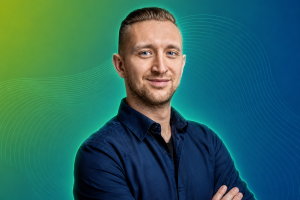
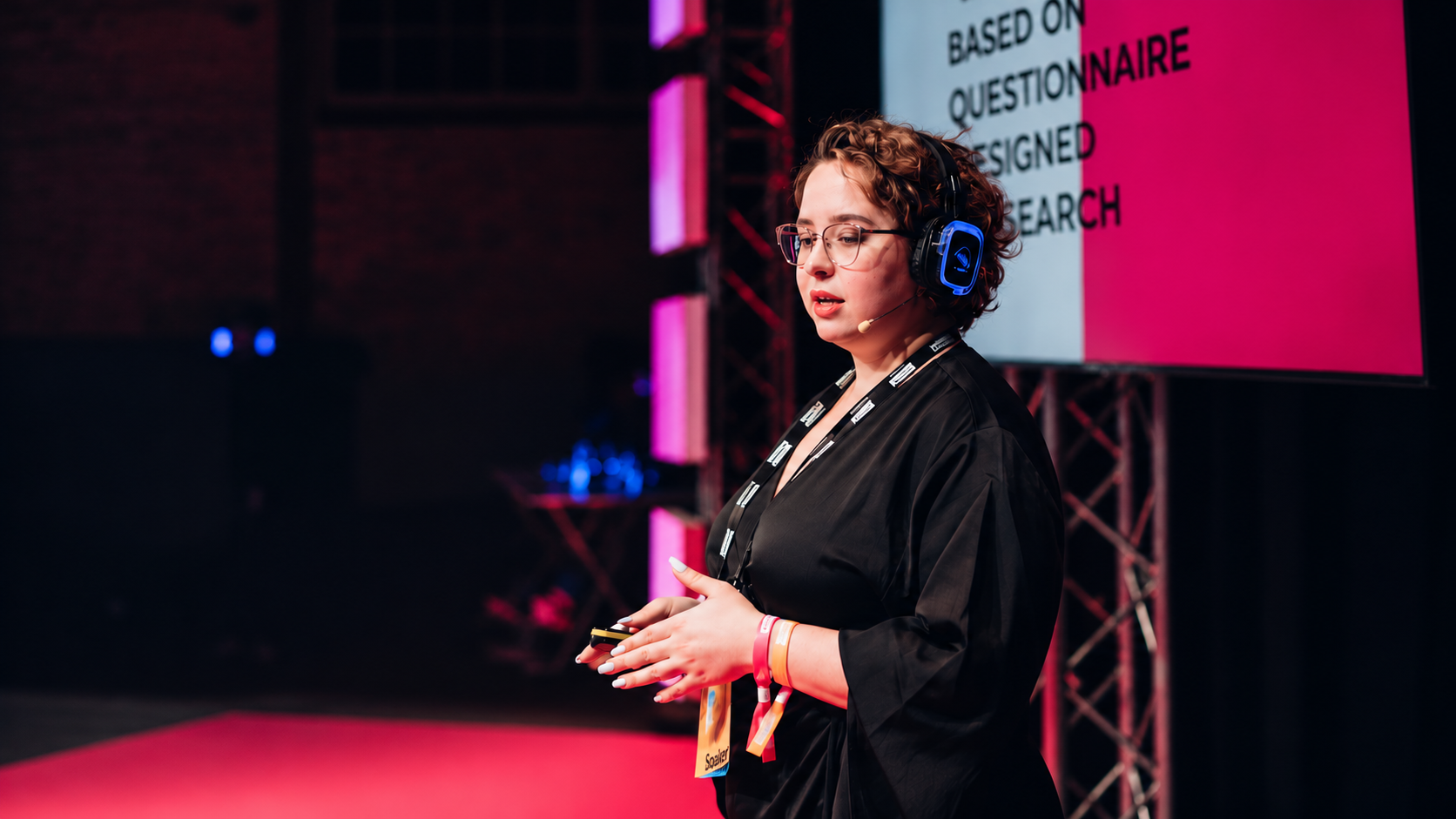
Meet Marina Petrakova, GRACE mentor helping turn ideas into meaningful solutions
Why can being too attached to an idea sometimes get in the way of developing a good product? For Marina Petrakova, confidence in an idea is a valuable starting point. But it is equally important to take a step back, question your assumptions and listen to people who see things differently.
As a mentor in the GRACE programme, Marina supports students in exploring user problems, testing assumptions and developing ideas into meaningful solutions. She draws on her extensive experience working with startups, helping students approach their projects with an entrepreneurial mindset.
Marina is Co-founder of VREACH, an XR health technology startup, a fractional co-founder and strategic partner for early-stage startups, and a mentor in several European innovation programmes. Over nearly nine years, she has worked with more than 700 startups and student teams. Her work in founding and developing VREACH also earned her a place on the Forbes Latvia 30 Under 30 list.
Mentoring starts with asking the right questions
Throughout her 14 years of mentoring experience, Marina has seen how easily teams can become attached to an idea that initially seems promising but has not been sufficiently tested. They may overlook their own assumptions, misinterpret what users are telling them or settle on a solution before fully understanding the problem.
“During this time, I have seen that one well-posed question at the right moment can save a team from spending several months working on a product built around a misunderstood problem.”
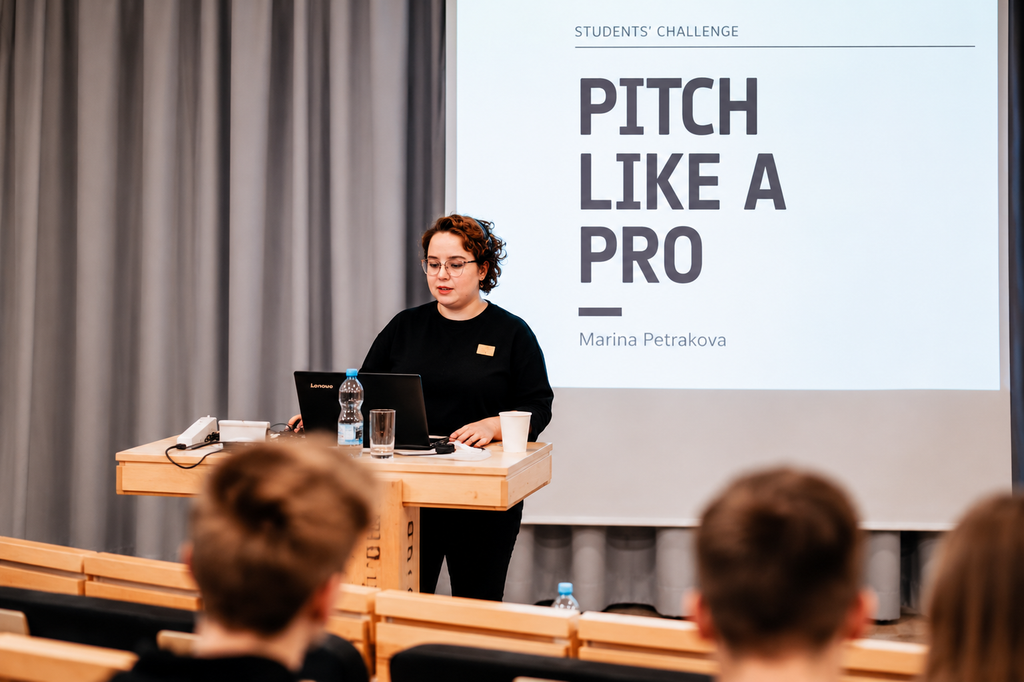
For Marina, mentoring is therefore not about providing ready-made answers. It is about helping students define problems, identify blind spots, distinguish evidence from assumptions and turn ideas into solutions that can be tested.
Her aim is for students to become more confident in making informed decisions independently, rather than relying on a mentor to tell them what to do.
Technology creates value when it helps people
Marina brings together expertise in product and business strategy, user research, artificial intelligence and behavioural science, alongside experience in medicine, neuropsychology and digital health.
This interdisciplinary perspective is particularly relevant to XR development. Working closely with a mentor can help students recognise early on whether a solution is technically feasible, genuinely needed by users and suitable for the professional environment in which it will be used.
“This is especially important in healthcare, rehabilitation, education, and professional training, where a technological demonstration alone does not yet demonstrate value.”
Marina sees this as one of the strengths of the GRACE programme: bringing XR and gamification together with user research, artificial intelligence, entrepreneurship and challenges from industry.
Looking ahead, she expects XR to become increasingly connected with artificial intelligence, spatial computing, sensors, real-time data and personalised digital environments. As these technologies develop, technical knowledge alone will not be enough.
“That’s why the market will need professionals who understand not only the technology, but also human behaviour, research, ethics, accessibility, the implementation process and the business model.”
As a GRACE mentor, Marina brings her experience in entrepreneurship, product development and user-centred innovation to the students. By challenging assumptions and encouraging critical thinking, she helps them develop solutions that are not only technically impressive, but also relevant to the people who will use them.